Why is Early Detection Important?
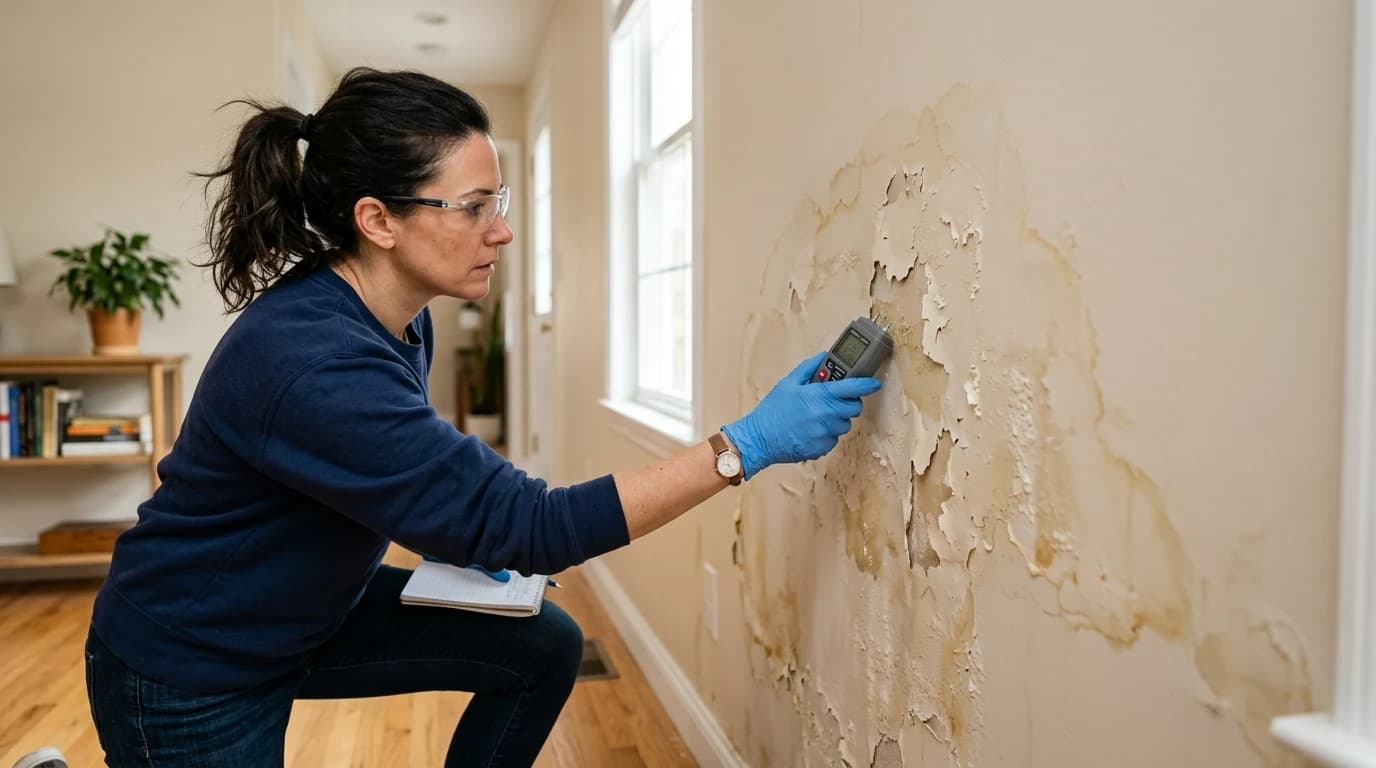
Early detection of water damage is crucial to prevent extensive and costly repairs. Water damage can lead to structural issues, mold growth, and damage to personal belongings. By identifying issues early, homeowners can fix small problems before they escalate into significant ones, saving both time and money. Common areas that often show early signs of water damage include basements, attics, and areas around windows and doors. Basements are particularly vulnerable due to their below-ground location, where water can seep through foundation cracks. Attics can suffer from roof leaks, especially after storms. Look for telltale signs such as discoloration, peeling paint, and a musty odor. A musty smell often indicates mold growth, which thrives in damp conditions. Regularly inspecting these areas can save you from future headaches. Consider setting a seasonal reminder to check for these signs, especially after heavy rain or snowmelt in Paramus.
What Are the Visual Indicators of Water Damage?
Visual signs of water damage can be subtle or obvious, but they are crucial for early detection. Peeling or bubbling paint is often one of the first signs, as moisture can cause paint to lose adhesion. Warped walls, which may appear as bulges or waves, indicate that water has penetrated the wall material. Dark or wet spots on ceilings or walls can suggest a recent leak, while older stains might appear yellowish or brown. If you notice any strange stains or discoloration, it may indicate water intrusion. Another critical area to inspect is your flooring; any buckling, warping, or soft spots can suggest underlying water damage. Hardwood floors, in particular, are susceptible to water damage, leading to cupping or crowning. Regular home inspections, especially after heavy rain, can help catch these issues early. Check areas around windows and doors where caulking may have failed, allowing water to enter. For more detailed water damage inspection tips, check our services.
What Should You Do If You Suspect Water Damage?
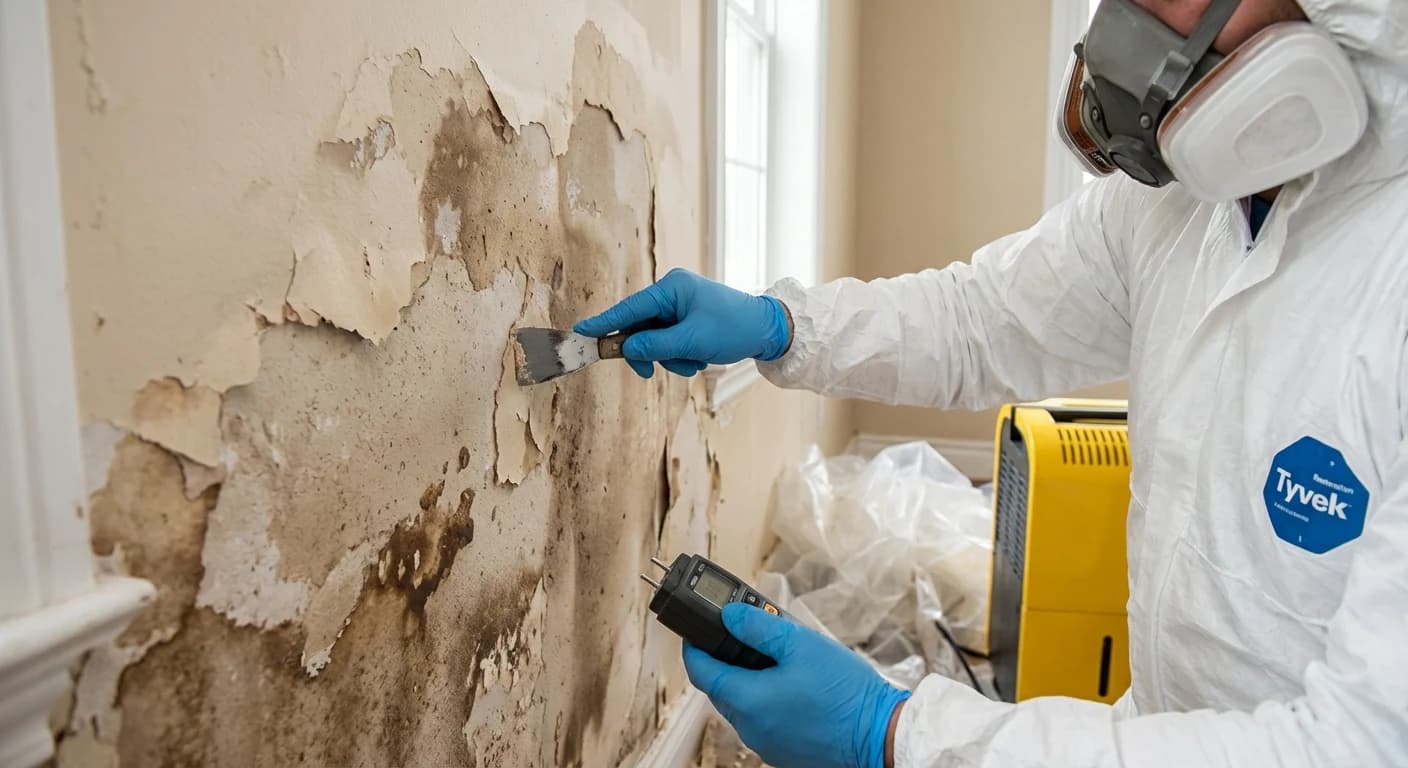
If you suspect water damage, it's essential to act quickly to minimize further issues. Begin by identifying the source of the water and stopping it if possible. This might involve turning off the water supply if a pipe has burst or sealing a leak temporarily. Dry any wet areas using towels or a wet/dry vacuum, and consider using dehumidifiers to remove excess moisture. Dehumidifiers are particularly effective in preventing mold growth, which can start within 24 to 48 hours in damp conditions. Document the damage by taking photos and notes, as this will be useful for insurance claims or when consulting with professionals. Contact a professional water damage restoration company to assess and address the situation. They can provide a thorough inspection and remediation plan, ensuring all affected areas are treated. Remember, the sooner you act, the less damage your Paramus home will sustain. It's also wise to review your homeowner's insurance policy to understand what water damage is covered, preparing you for any necessary claims.
Preventative Measures to Avoid Water Damage
Taking preventative steps can significantly reduce the risk of water damage in your home. Start by maintaining your home's roof and gutters, as these are primary barriers against water intrusion. Ensure gutters are clean and free from debris to facilitate proper drainage. Consider installing gutter guards to prevent clogs. Regularly inspect your roof for missing or damaged shingles, and repair them promptly to avoid leaks. Inside your home, check plumbing fixtures and appliances for leaks or corrosion. Regularly inspect hoses and connections on appliances like washing machines and dishwashers, replacing them every few years to prevent unexpected failures. Installing water leak detectors near potential problem areas, such as hot water heaters or under sinks, can provide early warnings of leaks. Additionally, ensure your home is well insulated, particularly around pipes, to prevent freezing and bursting in cold weather. Seal gaps around windows and doors to prevent water seepage during heavy rains. By implementing these measures, you can safeguard your home against water damage, reducing the likelihood of costly repairs and preserving your home's integrity.
Understanding the Health Risks of Water Damage
Water damage can pose significant health risks if not addressed promptly. One of the most concerning issues is mold growth, which can begin within 24 to 48 hours of water exposure. Mold spores can cause respiratory problems, allergic reactions, and other health issues, particularly in individuals with compromised immune systems or pre-existing respiratory conditions. To mitigate these risks, it's crucial to dry affected areas quickly and thoroughly. Use fans, dehumidifiers, and proper ventilation to eliminate moisture. In cases of significant water damage, professional remediation is recommended to ensure all mold is effectively removed. Beyond mold, water damage can also lead to the spread of bacteria and other pathogens, especially if the water source is contaminated, such as from a sewage backup. This can result in gastrointestinal illnesses or infections. Therefore, it's essential to treat any water damage scenario with caution, avoiding direct contact with contaminated water, and using protective gear if necessary. By understanding these health risks and taking immediate action, you can protect your family's health and maintain a safe living environment.
How to Conduct a Thorough Home Inspection for Water Damage
Conducting a thorough home inspection for water damage is essential for early detection and prevention. Start by examining the exterior of your home. Check for cracks in the foundation, which can allow water to seep into the basement. Look for any signs of water pooling near the foundation, as this can indicate drainage issues. Inspect the roof for missing or damaged shingles, and ensure that gutters and downspouts are clear of debris and directing water away from the house. Inside, check ceilings and walls for discoloration, stains, or peeling paint, which can be signs of water intrusion. Pay special attention to areas around windows and doors, as these are common entry points for water. In the basement, look for any signs of dampness or mold, particularly in corners and along the walls. Use a flashlight to inspect dark areas and a moisture meter for more accurate readings. In the attic, check for signs of roof leaks, such as wet insulation or water stains on the rafters. Regular inspections, especially after severe weather events, can help you catch and address issues before they become more serious.
The Role of Technology in Detecting Water Damage
Technology plays a crucial role in detecting water damage early and preventing costly repairs. Water leak detectors are one of the most effective tools available. These devices can be placed in high-risk areas, such as under sinks, near water heaters, or in basements, and will alert you to the presence of moisture or leaks. Some advanced models can even send notifications to your smartphone, allowing you to respond quickly, even if you're not home. Additionally, smart home systems can integrate with these detectors, providing a comprehensive monitoring solution. Infrared cameras are another valuable tool, especially for professional inspections. They can detect temperature differences in walls and ceilings, indicating the presence of moisture that isn't visible to the naked eye. Moisture meters are also useful for assessing the extent of water damage, providing precise measurements of moisture levels in various materials. By incorporating these technologies into your home maintenance routine, you can enhance your ability to detect water damage early, minimizing potential damage and protecting your investment. Whether you live in Paramus or elsewhere, staying proactive with technology can save you from significant water damage headaches.